Why Fear of Failure Shows Up So Early in Sports
Many young athletes start worrying about mistakes long before sports should feel stressful. Understanding why this happens can help parents and coaches create an environment where children feel freer to learn, grow, and enjoy the game.
Most children do not begin sports thinking about failure.
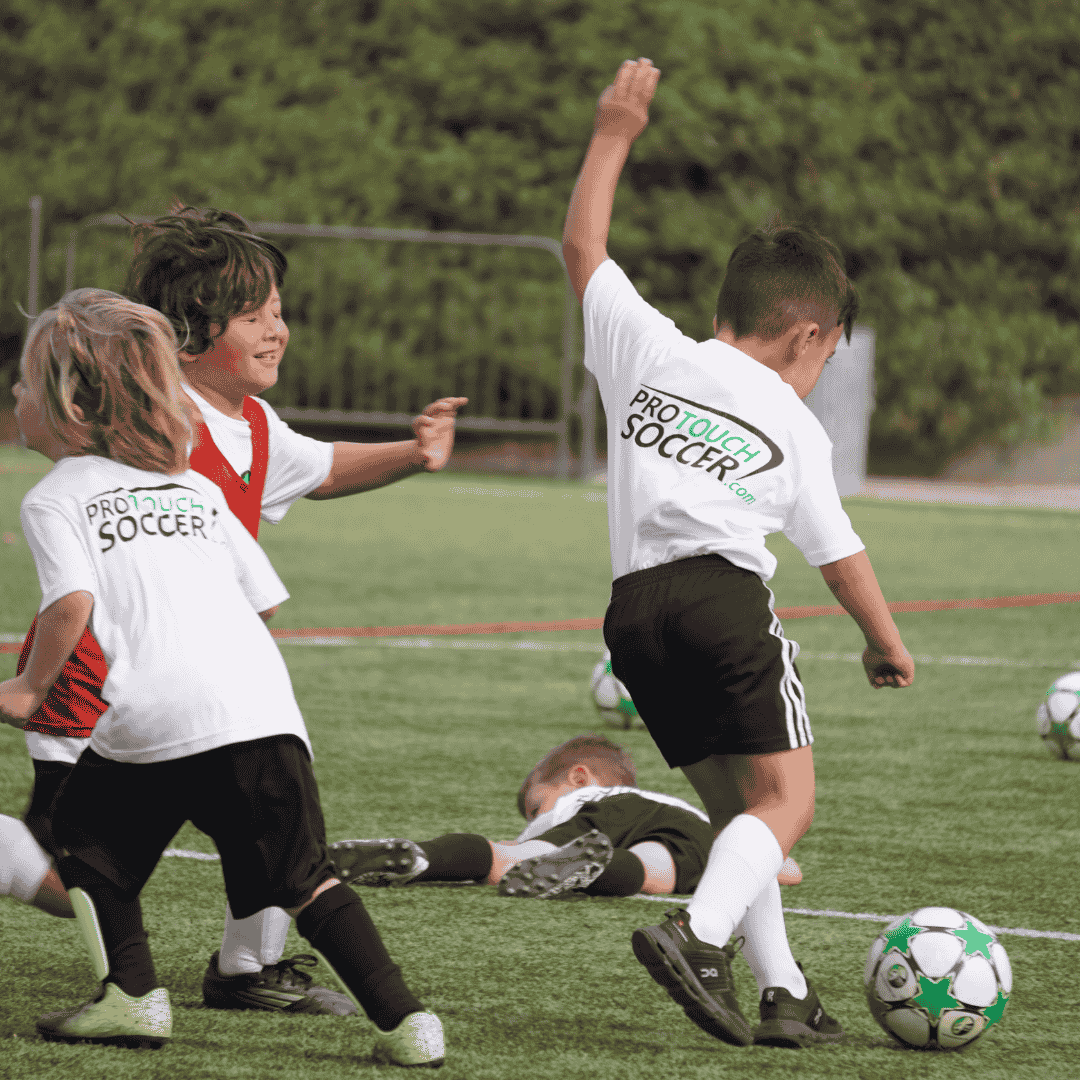
They begin because they want to move, play, explore, and have fun. They chase the ball, try new things, laugh with teammates, and enjoy the feeling of being part of something active and exciting.
But somewhere along the way, many young players start to change.
They become more cautious. They hesitate more. They worry about mistakes. They start looking to the sidelines after a bad moment. And in some cases, they begin to carry pressure that seems far too heavy for their age.
Fear of failure can show up much earlier in sports than many adults expect. And when it does, it can quietly affect confidence, enjoyment, and long-term development.
What Fear of Failure Looks Like in Young Players
Fear of failure does not always look dramatic.
Sometimes it looks like a child playing too safely. Sometimes it looks like frustration after one mistake. Sometimes it shows up as silence, hesitation, or a player who suddenly stops trying things they used to do naturally.
A young player dealing with fear of failure may avoid risks, rush decisions, shut down emotionally, or become overly upset with themselves after small errors. They may look less confident, even though the real issue is not a lack of ability. It is a fear of getting something wrong.
In soccer, this can show up when a player avoids dribbling, refuses to try a creative pass, gets rid of the ball too quickly, or becomes tense the moment pressure increases.
Why It Starts So Early
Children pick up on pressure faster than adults realize.
They notice tone of voice. They notice reactions. They notice when mistakes get more attention than effort, courage, or improvement.
Even without anyone directly saying it, kids can start to feel that performing well brings approval, while struggling brings disappointment. Once that feeling starts to grow, fear often follows.
Some children are especially sensitive to this. They naturally want to please adults, do things correctly, and avoid embarrassment. In a sports environment, that can quickly turn into tension if they begin to believe every mistake says something important about them.
Competition can also accelerate this process. As children get older, they become more aware of outcomes, comparisons, praise, criticism, and where they stand next to other players. That awareness can be healthy in the right environment, but in the wrong one, it can make sports feel more like judgment than growth.
Why It Matters So Much
Fear of failure does more than make a child nervous.
It changes the way they play, learn, and experience the game.
When children are afraid of mistakes, they often become less expressive. They stop experimenting. They stop trusting their instincts. Instead of being fully engaged in the game, they become preoccupied with avoiding the next bad moment.
That can slow development in a major way. Real growth in sports requires risk, repetition, mistakes, and recovery. If a young player is too afraid to make mistakes, they may protect themselves emotionally, but they also limit how much they are willing to learn.
Over time, this can also affect enjoyment. A child who once loved the game may begin to associate it with pressure, worry, and self-doubt.
The Difference Between Standards and Pressure
Wanting children to try hard, stay focused, and improve is not the problem.
High standards can be healthy when they are paired with patience, perspective, and support.
The problem begins when kids feel that mistakes carry too much emotional weight. If every bad game leads to frustration, every error leads to correction, or every performance feels tied to approval, children can start playing with tension instead of freedom.
Young athletes need to know that effort matters, growth matters, and one mistake does not define them.
How Adults Can Help
Coaches and parents play a huge role in shaping how children experience success and failure.
Kids do not need adults who ignore mistakes. They need adults who respond to mistakes in a way that keeps learning possible.
That means praising courage, not just results. It means valuing progress, not just performance. It means helping players understand that mistakes are part of getting better, not proof that they are not good enough.
It also means paying attention to the emotional environment around the game. Sometimes the pressure a child feels does not come from one big moment. It comes from many small signals repeated over time.
A calmer, healthier environment often helps young players become more confident, more resilient, and more willing to keep trying when things get hard.
Final Thought
Fear of failure shows up early in sports because children are paying attention long before adults think they are.
They are learning what mistakes mean. They are learning whether sports is a place where they can grow freely or a place where they must constantly prove themselves.
The goal is not to remove challenge from the game.
The goal is to make sure young players feel safe enough to face challenge with confidence, courage, and joy.